

Why a Sharp Edge Is Kinder to Your Plants
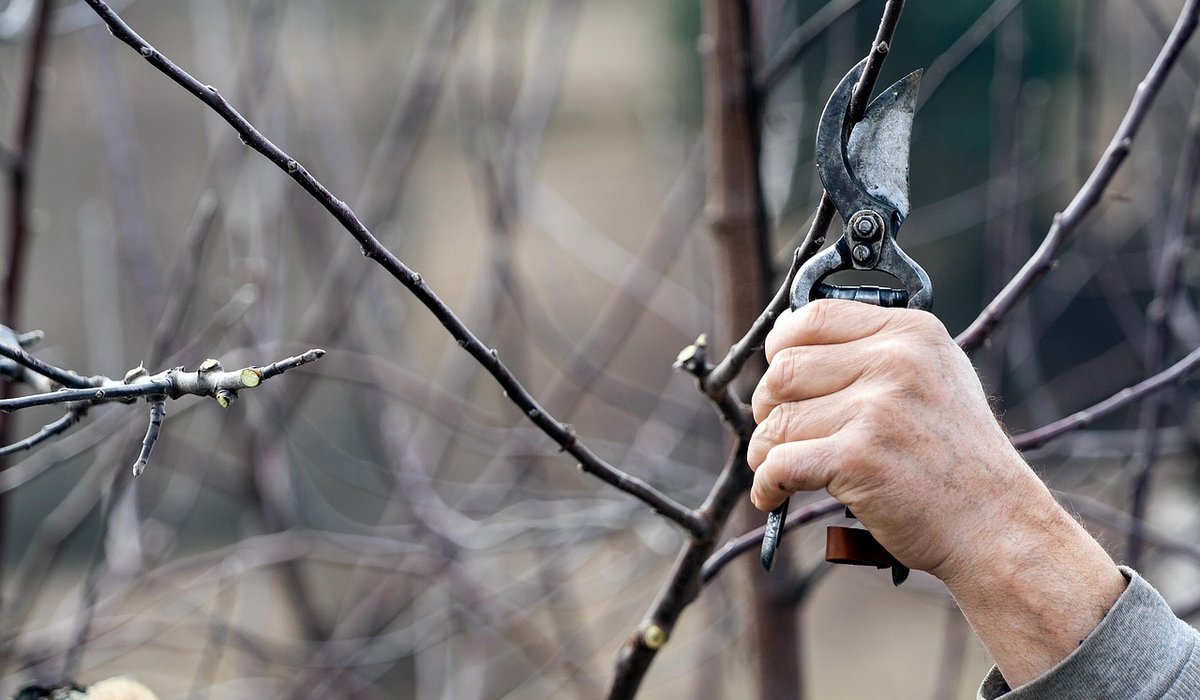
A blunt blade does far more damage than a sharp one. When secateurs are dull, they crush and tear the stem rather than slicing cleanly through it. That ragged wound takes longer to heal, gives fungal spores an easy way in, and often leaves a stub that dies back down the stem. Sharp tools, by contrast, cut in one clean pass. The plant seals the wound quickly, you need less force, and your wrists and forearms will thank you after an afternoon of pruning.
Sharpening is not a job you do once a season and forget about. Little and often is the gardener's rule. Ten minutes with a file every few heavy sessions keeps everything working properly, and it is far quicker than rescuing a badly neglected edge later on.
The Kit You Actually Need
You do not need an expensive workshop set-up. A small, well-chosen kit will handle almost everything in a domestic garden.
- A flat file — around 150mm, fine cut, for secateurs, shears and spades.
- A round file or diamond file — ideal for curved blades and serrated edges.
- A combination sharpening stone — coarse on one side, fine on the other, for finishing an edge.
- A wire brush — for shifting dried soil and rust.
- Light oil — camellia oil or a general-purpose machine oil for protection.
- An old cloth, some fine abrasive paper, and a vice or clamp.
- Gloves and safety glasses. Metal filings go everywhere.
Keep the whole lot in a small tin or box in the shed so it is ready when you need it. A tool you have to hunt for is a tool that never gets sharpened.
Clean First, Sharpen Second
Never put a file to a dirty blade. Grit dragged across the edge will blunt it further and clog the file. Start by scrubbing off caked soil with the wire brush, then wipe the blade with an oily rag. If there is sap or rust, a few minutes with fine abrasive paper will lift it. Pay attention to the pivot of secateurs and loppers — a drop of oil and a working open-and-shut motion will flush out the grit trapped inside.
Clamp the tool firmly, with the cutting edge facing away from you. Work in good light so you can actually see the bevel you are following.
Sharpening Secateurs, Loppers and Shears
Bypass secateurs have one bevelled blade and one flat, hooked blade. Only sharpen the bevelled side. Lay the file flat against the existing angle — usually somewhere between 20 and 30 degrees — and push it along the bevel from the base of the blade towards the tip in single, deliberate strokes. Do not saw back and forth. Three or four strokes, then check the edge by looking along it against the light. A sharp edge throws no bright glint.
If you have anvil secateurs, where a blade closes onto a flat block, both sides are bevelled and both need attention. Count your strokes on each face so the blade stays balanced.
For loppers, the same principle applies, though you may need a longer file and a steadier hand. Garden shears with serrated edges should be touched up with a round file, working one notch at a time. Never file the flat back of a blade — that is what keeps the two halves meeting cleanly.
Spades, Hoes and Other Edged Implements
Digging tools are sharpened differently. A spade has a single bevel on the outer face of the blade. Clamp it securely, then file along that bevel at roughly 45 degrees, following the original angle and pushing towards the edge. Keep the strokes even across the whole width so you do not create a curved, scooped edge. Stop when you can feel a slight burr on the inner face, then flip the spade over and take one or two light strokes to remove it.
Hoes are sharpened on the top edge only, again following the existing bevel. A sharp hoe slices through weeds at soil level with almost no effort, and it is one of the most satisfying tools in the garden to keep in order. Forks, cultivators and edging irons benefit from the same treatment.
Protecting the Edge After Use
Once the metal is clean and keen, it needs protection. Wipe every blade with a thin film of oil before it goes back in the shed — this is the single best defence against rust, especially in a damp British winter. A light spray of oil into the pivot points of secateurs and loppers keeps them moving freely.
Store tools somewhere dry, hanging up where possible rather than tossed in a bucket of damp compost. Wipe soil off after every use, not the following weekend. And sharpen again as soon as a cut starts to feel like hard work — that moment when you find yourself squeezing with two hands is your cue.
Look after your edges and they will look after your plants. Clean, file, oil, repeat: a simple habit that pays you back every single time you pick up a pair of secateurs.


Coding is used in almost all aspects of life and work now, be it directly or indirectly. It’s not just for companies in the tech sector. “An increasing number of businesses rely on computer code,
Coding is used in almost all aspects of life and work now, be it directly or indirectly. It’s not just for companies in the tech sector. “An increasing number of businesses rely on computer code,
Coding is used in almost all aspects of life and work now, be it directly or indirectly. It’s not just for companies in the tech sector. “An increasing number of businesses rely on computer code,