

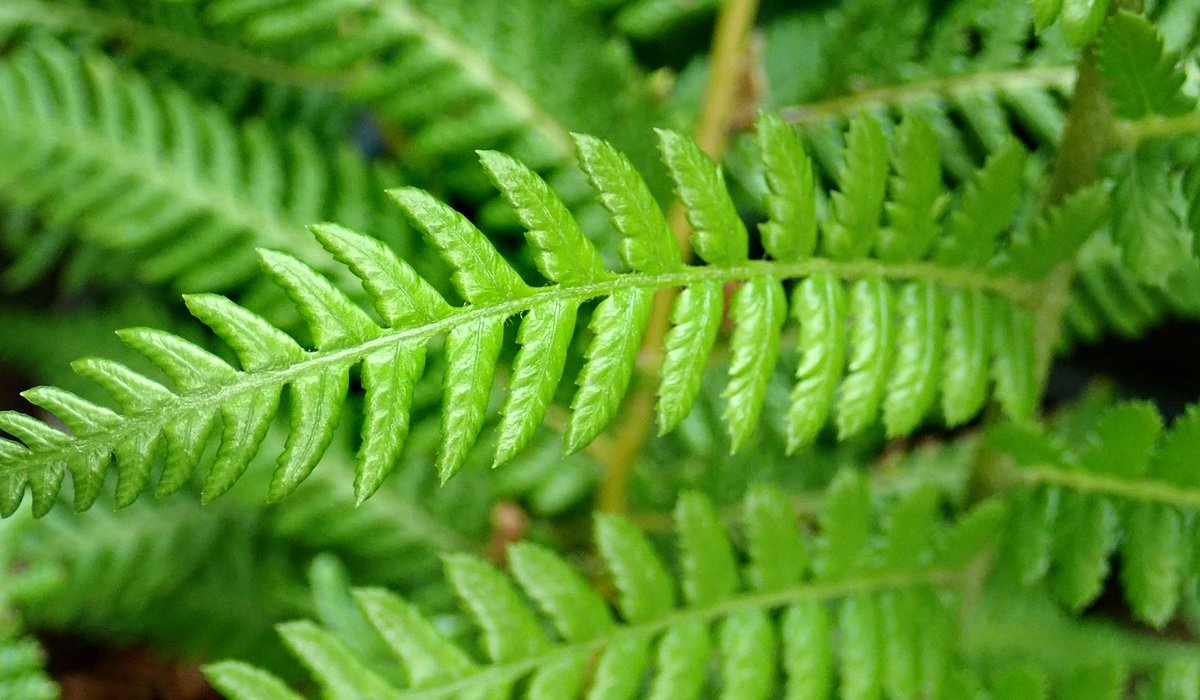
Why Hardy Ferns Belong in British Shade
Most British gardens have a shady corner — a north-facing border, the strip beneath a fence, the ground under a mature apple tree. These spots defeat many plants, but they are exactly where hardy ferns come into their own. Our cool, damp climate suits them far better than the hot, dry summers of southern Europe, and most ferns sold in the UK are genuinely hardy, shrugging off frost and snow without protection.
Ferns ask for very little: shade, moisture, and soil rich in organic matter. Give them that and they will settle in for decades, knitting together into a soft green carpet that smothers weeds and looks good from March to November. Once established, most need no watering, no feeding and no staking — just the odd tidy-up.
Choosing Ferns That Will Actually Thrive
Start with native species if you can. They are adapted to British conditions, cope with our rainfall, and support wildlife — the fronds of several species feed moth caterpillars.
- Male fern (Dryopteris filix-mas) — the reliable workhorse. Shuttlecock rosettes of mid-green fronds to 90cm, tolerant of dry shade once rooted.
- Lady fern (Athyrium filix-femina) — soft, lacy and light in texture. Prefers soil that stays damp; lovely beside a pond or in a boggy corner.
- Hart's tongue fern (Asplenium scolopendrium) — glossy, undivided straps of evergreen foliage. Happiest in lime-rich soil and deep shade, and one of the best for a north wall.
- Hard shield fern (Polystichum aculeatum) — semi-evergreen, leathery and very tough; excellent for dry shade under trees.
- Hard fern (Blechnum spicant) — neat and low-growing, with narrow ladder-like fronds. Good for acid soil and heavy shade.
For something more ornamental, look at the Japanese shield fern (Dryopteris erythrosora), whose new fronds unfurl coppery pink, or the royal fern (Osmunda regalis), which reaches a metre and a half in genuinely wet ground.
Getting the Soil Right
Ferns are woodland plants, so the goal is soil that feels like the floor of an old wood: crumbly, dark and full of rotted leaves. If yours is heavy clay, fork in a generous bucketful of leaf mould or composted bark per square metre, plus a little horticultural grit to open it up. Sandy soil needs more organic matter, worked in deeply, because it dries out too fast otherwise.
Leaf mould is the single best thing you can give a fern. Make your own by bagging autumn leaves and leaving them for a year or two, or buy it in. Well-rotted garden compost works nearly as well. Avoid fresh manure, which can burn tender new croziers.
Most ferns are unfussy about pH, though hart's tongue and maidenhair spleenwort enjoy a little lime. If your soil is very acid, a scattering of garden lime around those two will keep them content.
Planting Your Ferns
Early spring or early autumn are the best times, while the soil is warm and moist. Water the pot thoroughly an hour beforehand.
- Dig a hole twice the width of the rootball but no deeper than it.
- Mix the excavated soil with a couple of handfuls of leaf mould.
- Set the fern so the crown — where the fronds emerge — sits exactly at soil level. Burying it is the most common way to kill a fern.
- Firm gently, water well, and mulch with 5cm of leaf mould, keeping it clear of the crown.
- Space large varieties 60–90cm apart; they spread slowly but they do spread.
Looking After Ferns Through the Year
For the first season, water during dry spells — one good soak a week beats a daily sprinkle. After that, established ferns in the ground rarely need watering except in an unusually dry summer.
Slugs and snails are the main pest, especially in spring when the soft new croziers push through. A night patrol with a torch, or a barrier of sharp grit around the crown, sorts most of it. In pots, watch for vine weevil grubs in the compost.
In late winter or early spring, before the new fiddleheads appear, cut away last year's dead fronds. Evergreen types such as hart's tongue can be tidied by removing only the browned leaves. Divide congested clumps every few years in early spring, replanting the outer sections and discarding the woody centre.
Ferns in Pots and Awkward Corners
Ferns make excellent container plants for a shady patio or a north-facing doorstep. Use a loam-based compost mixed with leaf mould and a little grit, and choose a pot wide enough for the fern's spread. Terracotta dries out faster than glazed or plastic, so line it or water more often.
Dry shade beneath trees is the hardest spot in any garden, but Polystichum and Dryopteris will manage there if you plant small, water for the first two summers and mulch annually. Hart's tongue will cope with a north wall where little else grows. Plant them in drifts rather than as single specimens, and you will have a corner that looks established within a season.


Coding is used in almost all aspects of life and work now, be it directly or indirectly. It’s not just for companies in the tech sector. “An increasing number of businesses rely on computer code,
Coding is used in almost all aspects of life and work now, be it directly or indirectly. It’s not just for companies in the tech sector. “An increasing number of businesses rely on computer code,
Coding is used in almost all aspects of life and work now, be it directly or indirectly. It’s not just for companies in the tech sector. “An increasing number of businesses rely on computer code,